Why Walking Might Be the Best Exercise You’re Overlooking
Walking is one of the most underrated forms of exercise. It requires no special equipment, fits into almost any lifestyle, and delivers a surprising number of benefits—from improved cardiovascular health and weight management to sharper focus and reduced stress. Yet despite its simplicity, many of us struggle to make walking a consistent part of our day.
I know this firsthand. After moving from a cashier job to a desk job, I gained 30–40 pounds and found myself glued to my chair. My health declined, and I realized something had to change. Walking seemed like the easiest solution, but incorporating it into my routine was harder than I expected. What started as a challenge eventually became a habit that transformed my health, mindset, and daily rhythm. Here’s how I did it—and how you can too.
—
🌟 Why Walking Matters for Your Health
Walking isn’t just “moving your feet.” It’s a powerful ally for your body and mind. Regular walks can:
- Strengthen your heart and improve circulation
- Help regulate blood sugar and blood pressure
- Support healthy weight management
- Reduce stress, ease anxiety, and boost your mood
- Improve sleep quality and enhance creativity
Best of all, walking is safe, sustainable, and low-risk. Unlike intense workouts, it doesn’t demand long recovery times, and it slips easily into even the busiest schedules. A brisk walk can be the reset button your body and mind need.
—
🧠 How Walking Changed My Perspective
When I began walking regularly, I noticed something unexpected: clarity. Stressful days and mental roadblocks became easier to overcome. A short walk gave me space to breathe, reset, and return to problems with fresh eyes. Sometimes, the simplest act—stepping away—was exactly what I needed to find solutions.
—
🚀 Smart Ways to Add Walking Into Your Day
Walking doesn’t have to be complicated. Here are strategies that worked for me:
- Use breaks wisely: Instead of scrolling on my phone during lunch, I walked the one-mile path around my office. Those 20 minutes became the highlight of my day.
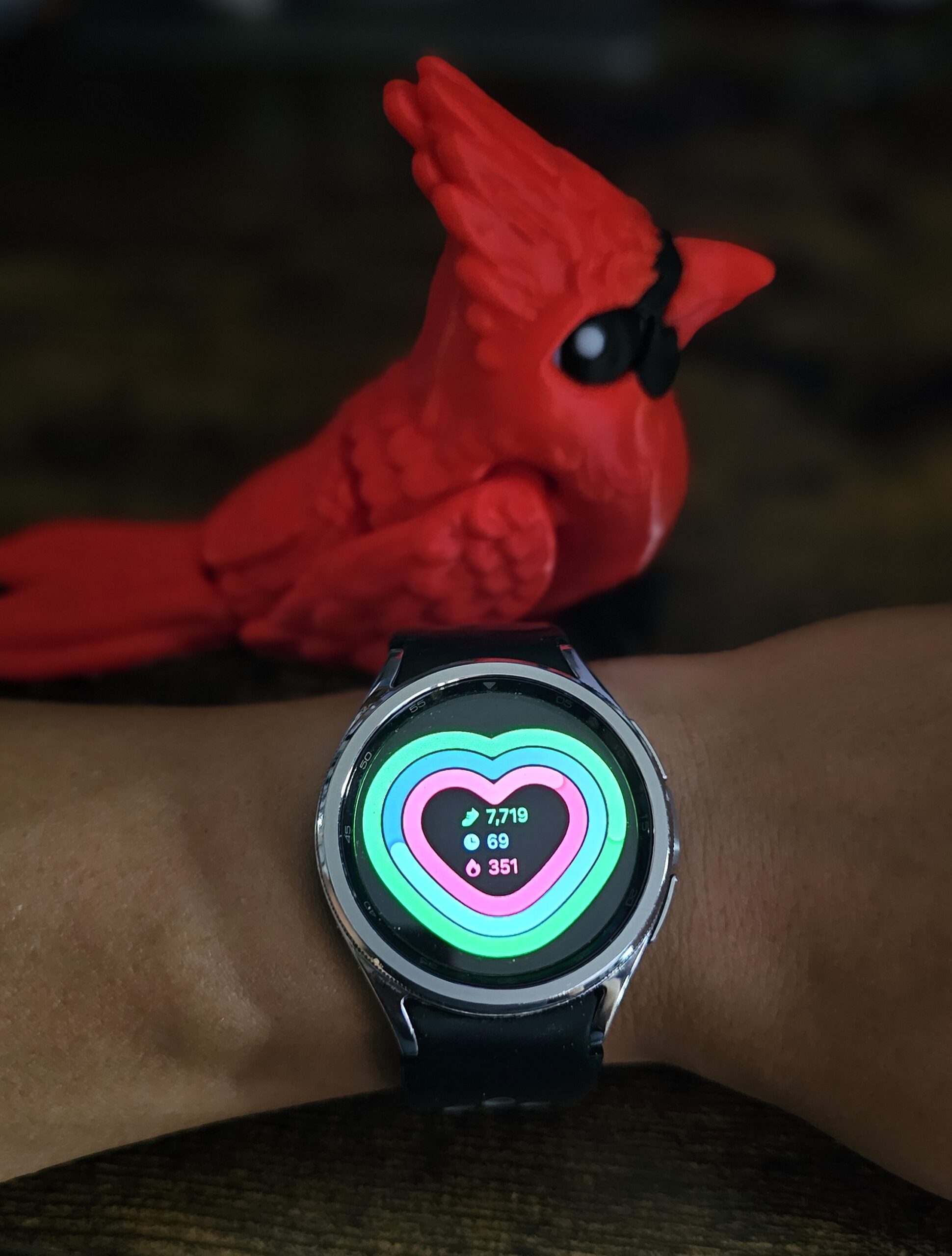
- Leverage technology: Fitness apps and trackers turned walking into a game. During COVID-19, my company’s app even rewarded steps with gift cards. Fitbit, Apple Watch, or Google Fit can help you set goals, track progress, and celebrate streaks.
- Make it social: Walking became a way to connect with friends, family, or even my dog. Trails and parks offered a safe, refreshing way to catch up while staying active.


—
🔑 The Secret: Consistency
Consistency turns walking from a task into a habit. I set daily step goals in Google Fit and treated walking like an appointment—9 AM and 2 PM walks became non-negotiable. On hot or rainy days, I used indoor paths to stay on track. Over time, walking became so ingrained that missing my step goal felt like skipping an important meeting.
—
👟 Take Your First Step
Walking doesn’t require fancy gear, expensive memberships, or hours of your day. It’s simple, effective, and something you can start right now. Begin small, stay consistent, and weave walking into your natural lifestyle.